


The dream of glasses-free 3D has been floating around for years—usually overpromised, often underwhelming. The ZIMO1 light field display is trying to change that narrative. Instead of treating 3D as a novelty, it positions itself as a full desktop experience for gaming, creation, and interactive content—no headset required.

It’s ambitious. Maybe overly ambitious. But it’s also one of the more compelling attempts to bring spatial computing into a standard monitor setup.
A 3D Monitor That Skips the Usual Barriers
At its core, the ZIMO1 is a 27-inch 4K display that can switch between traditional 2D and glasses-free 3D. What separates it from earlier attempts is how much of the heavy lifting happens inside the display itself.
Instead of relying entirely on your PC, it uses a built-in processing chip to handle 3D rendering. That means you don’t need a high-end GPU just to make the feature usable—something that has historically limited adoption.
The panel uses light-field display technology combined with real-time eye tracking, adjusting the image dynamically based on your position. The goal is simple: create depth that feels natural, without the headaches, blur, or awkward viewing angles that plagued earlier 3D displays.
More Than Just Visuals—This One Wants You to Interact
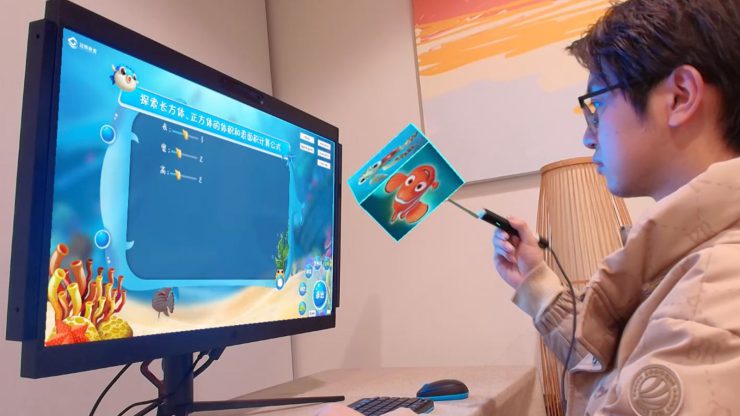
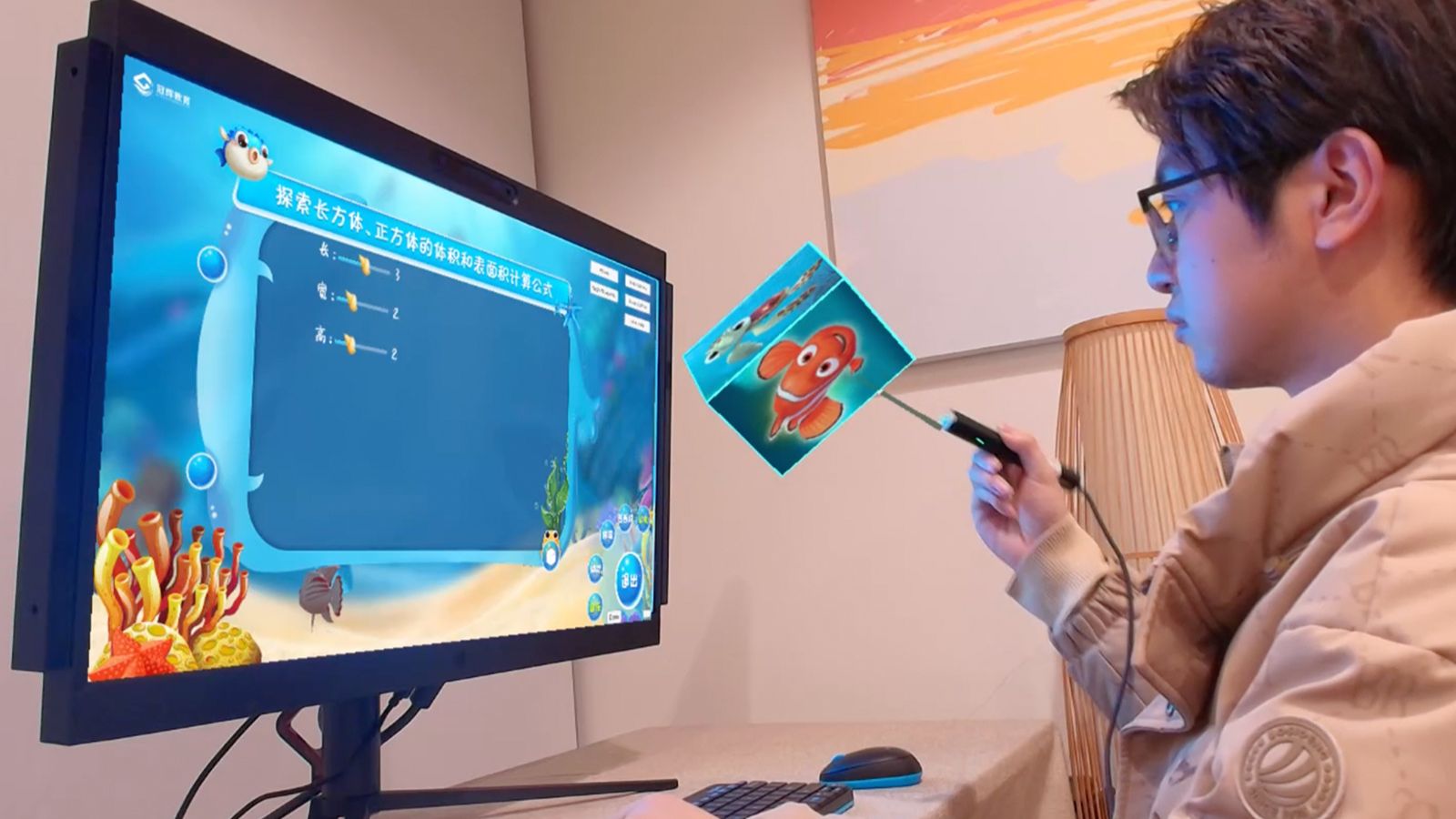
Most 3D monitors are passive. You look at them, maybe play content, and that’s about it. The ZIMO1 pushes further by turning the screen into something you can actively engage with.
It supports gesture controls, stylus input, and other interactive tools, letting users manipulate objects directly in a 3D space. That’s a meaningful shift—especially for creators working in modeling, animation, or game design.
There’s also an open development ecosystem, with support for platforms like Unity, Unreal Engine, and WebXR. That opens the door for custom applications instead of locking everything behind a closed system.
Gaming and Content: Where It Could Actually Stick
Zondision is clearly aiming beyond productivity. Gaming is a major part of the pitch.
The platform claims compatibility with thousands of titles and even suggests it can convert some 2D experiences into 3D. That’s a bold promise—and one that will likely vary depending on the game—but it hints at a broader use case than just demos or niche workflows.
It also arrives at a time when larger players are exploring similar territory. Companies like Samsung are investing in glasses-free 3D gaming displays, suggesting this category is starting to move beyond experimental.
The Kickstarter Factor
Like many forward-looking hardware ideas, the ZIMO1 is launching through crowdfunding. That brings excitement—and risk.
On paper, the feature set is strong:
- 27-inch 4K panel
- Glasses-free 3D with eye tracking
- Built-in 3D processing
- Interactive input support
- Developer-friendly ecosystem
Pricing sits in the premium range, roughly $999 to $1,399 depending on configuration.
The challenge isn’t the concept—it’s execution. Glasses-free 3D has struggled for years with consistency, comfort, and real-world usefulness. ZIMO1 claims to address those issues, but that’s something only hands-on use will confirm.
Where This Could Be Heading
What makes the ZIMO1 interesting isn’t just what it does—it’s what it suggests.
Displays are starting to shift from flat interfaces to spatial ones. Between VR headsets, AR overlays, and now light-field monitors, the goal is the same: make digital content feel like it exists in real space.
ZIMO1 sits right in the middle of that shift. It doesn’t require a headset, but it borrows heavily from immersive tech. It doesn’t replace your monitor, but it expands what a monitor can be.
And if it actually delivers?
The idea of a flat, static screen might start to feel a little outdated.